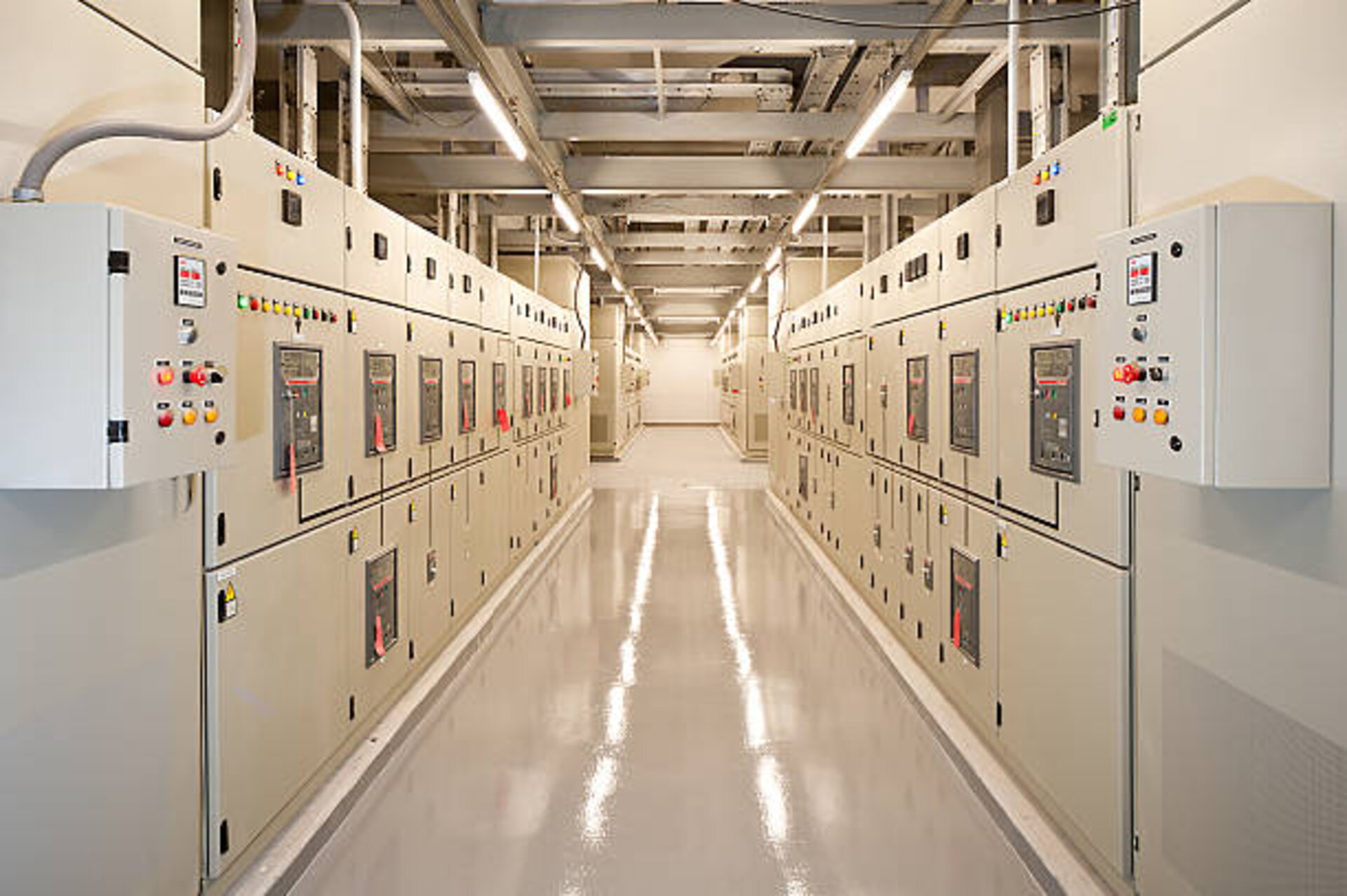

Testing electrical switchgear, including circuit breakers, is essential to ensure their reliable operation, safety, and compliance with regulatory standards. Below is a list of tests that should be performed, grouped by purpose:
1. Routine Electrical Tests
These tests verify the operational integrity of the switchgear and breakers.
- Insulation Resistance Test (Megger Test)
- Purpose: Checks the insulation between phases and from phase to ground.
- Method: Uses a megohmmeter to apply a high DC voltage.
- Expected Results:
- Minimum: 1000 MΩ (new equipment, rated <1kV).
- For high-voltage equipment: Typically >10 GΩ.
- Contact Resistance Test
- Purpose: Measures the resistance of breaker contacts to ensure low resistance for efficient current flow.
- Method: Uses a micro-ohmmeter or contact resistance tester.
- Expected Results: Resistance should be less than 100 µΩ for most breakers.
- Dielectric Withstand Test (High-Pot Test)
- Purpose: Ensures the insulation can withstand high voltage without breakdown.
- Method: Applies a high AC or DC voltage between phases and ground.
- Expected Results:
- Voltage level: 2x the operating voltage + 1kV.
- No breakdown or arcing should occur.
2. Functional and Operational Tests
These tests assess the mechanical and operational performance of the switchgear and breakers.
- Breaker Timing Test
- Purpose: Measures the time it takes for a breaker to open, close, or trip.
- Method: Uses a breaker timing analyzer.
- Expected Results:
- Opening/Closing Times: As per manufacturer specifications (e.g., <50 ms for medium-voltage breakers).
- Trip Test
- Purpose: Verifies the correct operation of the breaker trip unit.
- Method: Simulates fault conditions (e.g., overcurrent, short circuit).
- Expected Results: Breaker should trip within the specified time for each fault condition.
- Mechanical Operations Test
- Purpose: Checks the mechanical integrity of the breaker through multiple open/close cycles.
- Expected Results: Breaker should operate smoothly without delays or malfunctions.
- Protection Relay Test
- Purpose: Verifies the functionality of protection relays associated with the switchgear.
- Method: Uses a secondary injection test set to simulate fault conditions.
- Expected Results: Relay should respond correctly to simulated conditions.
3. Thermal and Visual Inspections
These tests identify potential overheating or physical defects.
- Infrared (Thermal Imaging) Test
- Purpose: Detects hot spots caused by loose connections or overloads.
- Expected Results:
- Normal operating temperature: <60°C.
- Hot spots: Should not exceed 80°C above ambient temperature.
- Visual Inspection
- Purpose: Identifies visible damage, wear, corrosion, or misalignment.
- Expected Results:
- No visible damage or loose connections.
4. Current and Voltage Tests
These tests verify the performance under operating conditions.
- Primary Injection Test
- Purpose: Simulates full-load conditions to verify the performance of breakers and associated components.
- Method: Injects high current through the circuit.
- Expected Results: Breaker should operate correctly as per design settings.
- Secondary Injection Test
- Purpose: Tests the breaker trip unit by simulating fault conditions using secondary circuits.
- Method: Injects test signals into the trip circuit.
- Expected Results: Correct tripping under fault conditions.
5. High-Speed Tests
- Short-Time Current Test
- Purpose: Verifies the switchgear’s ability to carry short-circuit current for a specified duration.
- Method: Applies short-time current under controlled conditions.
- Expected Results: Equipment should withstand without damage for the specified time (e.g., 1–3 seconds).
6. Advanced Diagnostic Tests
- Partial Discharge (PD) Test
- Purpose: Detects localized insulation breakdowns that may lead to failure.
- Method: Uses a PD test set to measure discharge activity.
- Expected Results: Minimal or no partial discharge activity.
- Power Factor (Tan Delta) Test
- Purpose: Assesses the health of insulation by measuring dielectric losses.
- Expected Results:
- New insulation: <0.5%.
- Aged insulation: ≤1%.
- Sweep Frequency Response Analysis (SFRA)
- Purpose: Identifies internal mechanical damage to the switchgear or breaker.
- Expected Results: Consistent frequency response compared to baseline.
7. Grounding and Safety Tests
- Earth Resistance Test
- Purpose: Ensures proper grounding of the switchgear.
- Expected Results:
- General grounding: <10 Ω.
- Critical installations: <1 Ω.
- Interlock Test
- Purpose: Verifies the functionality of interlocks for safe operation.
- Expected Results: All interlocks should operate as intended.
8. Environmental and Ancillary Component Tests
- Humidity and Corrosion Test
- Purpose: Ensures switchgear components can withstand environmental conditions.
- Expected Results: No visible corrosion or moisture-induced damage.
- Auxiliary Circuit Tests
- Purpose: Tests control and signaling circuits associated with the switchgear.
- Expected Results: Proper functionality of all auxiliary components.
Summary Table of Key Tests
| Test | Purpose | Expected Results |
|---|---|---|
| Insulation Resistance | Verify insulation integrity | >1000 MΩ (new equipment, <1kV); >10 GΩ (high voltage) |
| Contact Resistance | Check contact efficiency | <100 µΩ |
| Breaker Timing | Ensure proper open/close timings | <50 ms |
| Thermal Imaging | Detect hot spots | Temp. <60°C (normal), <80°C (hot spots) |
| Primary Injection | Simulate real conditions | Operates as designed |
| Earth Resistance | Ensure grounding effectiveness | <10 Ω (general); <1 Ω (critical) |
These tests should be performed during commissioning, periodic maintenance, and after any major fault or repair to ensure the switchgear and breakers are operating reliably and safely.